
Ayurvedic Recipes to Balance Vata Dosha


In the gentle dance of life, our energies ebb and flow like the wind through the trees. Vata dosha, the airy and light principle within us, governs movement, creativity, and communication. When balanced, it brings vitality and inspiration; when unsettled, it can stir restlessness and dryness. Nourishing this delicate energy with mindful, grounding foods is a sacred act of self-care. Today, I invite you to explore recipes to balance Vata dosha, meals that warm, soothe, and steady your inner rhythm.
Embracing Recipes to Balance Vata Dosha
Vata thrives on warmth, moisture, and nourishment. It is the element of air and ether, light and mobile, so foods that are heavy, oily, and hydrating help anchor this energy. Imagine a cozy hearth on a crisp autumn evening, this is the essence we seek to bring to our plates.
When crafting meals for Vata, I focus on:
Warm, cooked foods rather than raw or cold
Sweet, sour, and salty tastes to pacify Vata’s dryness
Healthy oils like ghee or sesame to add moisture
Spices that gently stimulate digestion without overheating
These principles guide the creation of recipes that feel like a warm embrace, calming the nervous system and nurturing the body’s subtle energies.

What is the Ayurvedic Diet for Vata?
The Ayurvedic diet for Vata is a mindful approach that honors the unique qualities of this dosha. It emphasizes foods that are grounding, nourishing, and easy to digest. The goal is to counterbalance Vata’s natural tendencies toward coldness, dryness, and irregularity.
Key features include:
Warm, moist, and oily foods: Soups, stews, and porridges are ideal.
Sweet, sour, and salty tastes: These tastes help soothe and stabilize Vata.
Regular meal times: Consistency supports Vata’s need for routine.
Avoidance of cold, dry, and raw foods: These can aggravate Vata’s qualities.
For example, a bowl of warm kitchari, a blend of mung beans and rice cooked with spices and ghee, provides gentle nourishment and grounding energy. Similarly, root vegetables like sweet potatoes and carrots, cooked until soft, offer comforting sustenance.
Nourishing Ayurvedic Recipes for Vata Dosha
Let’s explore some heartwarming recipes that embody the essence of Vata balance. These dishes are simple to prepare, deeply satisfying, and imbued with the wisdom of Ayurveda.
1. Golden Turmeric Milk
A timeless elixir, golden turmeric milk soothes the nervous system and warms the body.
Ingredients:
1 cup whole milk or almond milk
1/2 tsp turmeric powder
1/4 tsp cinnamon
1 tsp ghee
1 tsp honey (optional, added after cooling)
Instructions:
Warm the milk gently in a saucepan.
Stir in turmeric, cinnamon, and ghee.
Simmer for 5 minutes, stirring occasionally.
Remove from heat, let cool slightly, then add honey.
Sip slowly, feeling the warmth spread through your being.
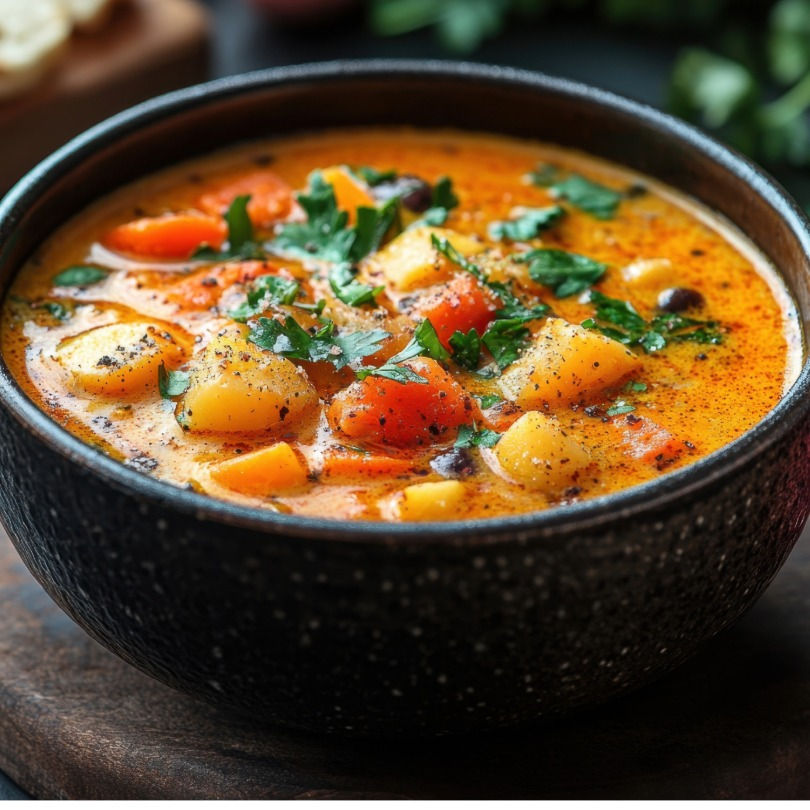
2. Sweet Potato and Carrot Stew
Root vegetables bring earthiness and moisture, grounding Vata’s airy nature.
Ingredients:
2 medium sweet potatoes, peeled and cubed
3 carrots, sliced
1 tbsp ghee or sesame oil
1 tsp cumin seeds
1/2 tsp ginger powder
1/2 tsp coriander powder
Salt to taste
2 cups vegetable broth or water
Instructions:
Heat ghee in a pot, add cumin seeds until fragrant.
Add sweet potatoes and carrots, sauté for 5 minutes.
Stir in ginger, coriander, and salt.
Pour in broth, cover, and simmer until vegetables are tender.
Serve warm, garnished with fresh cilantro.

3. Kitchari with Ghee and Spices
Kitchari is a classic Ayurvedic dish, balancing all three doshas but especially nurturing for Vata.
Ingredients:
1/2 cup split yellow mung dal
1/2 cup basmati rice
1 tbsp ghee
1 tsp cumin seeds
1 tsp mustard seeds
1/2 tsp turmeric powder
1/2 tsp ginger powder
4 cups water
Salt to taste
Fresh cilantro for garnish
Instructions:
Rinse mung dal and rice thoroughly.
Heat ghee in a pot, add cumin and mustard seeds until they pop.
Add turmeric and ginger powders, stir briefly.
Add mung dal, rice, water, and salt.
Bring to a boil, then simmer covered for 30-40 minutes until soft.
Garnish with cilantro and enjoy warm.
Tips for Cooking to Soothe Vata
Cooking for Vata is an act of love and mindfulness. Here are some gentle reminders to keep your meals aligned with Vata’s needs:
Cook with intention: Let your kitchen be a sanctuary where you infuse meals with calm and care.
Use warming spices: Ginger, cinnamon, cardamom, and cumin are your allies.
Favor cooked over raw: Steamed, boiled, or sautéed foods are easier on Vata’s sensitive digestion.
Include healthy fats: Ghee, sesame oil, and olive oil add moisture and nourishment.
Eat at regular times: Routine helps steady Vata’s variable nature.
By embracing these practices, you create a rhythm that supports your body’s natural harmony.
Inviting Balance Through Food and Spirit
Food is more than sustenance; it is a bridge between body, mind, and spirit. When we choose recipes that honor Vata’s delicate dance, we invite peace and stability into our lives. Each spoonful becomes a meditation, a moment of grounding in a fast-moving world.
If you wish to explore more, I warmly recommend discovering my Ayurvedic Recipes For All Doshas membership and choose the recipes that resonate with your unique constitution. Let your kitchen be a sacred space where ancient wisdom and modern life meet in harmony.
May your meals nourish your soul and steady your spirit, guiding you gently back to your truest self.

Comments